Termite Control
Subterranean termites in new slabs and old crawlspaces alike. A full inspection, then a soil treatment or bait stations, with the terms explained before you agree.
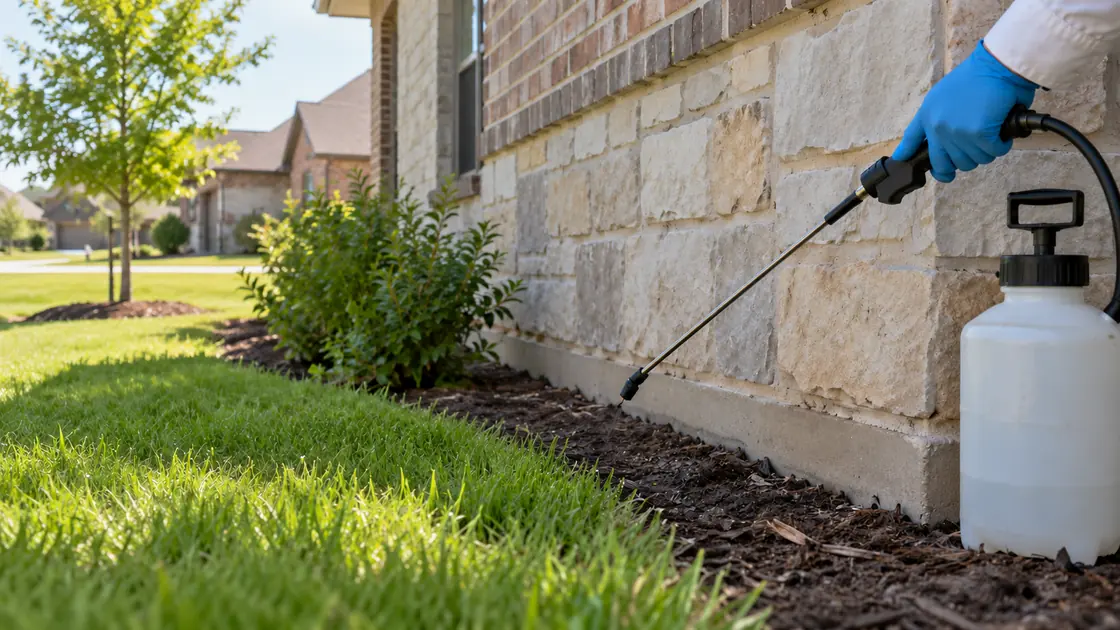
Pest control in Conway from a local exterminator, for homes, rentals near UCA and Hendrix, and the Faulkner County towns around them. You hear the price before anything is treated.
Do not close up the stored firewood before the inspection for local pest problems in Conway, or the useful evidence is gone.
These are the jobs behind most Conway calls. Termite control has its own page with the details. For ants, rodents and mosquitoes, call and describe what you are seeing.
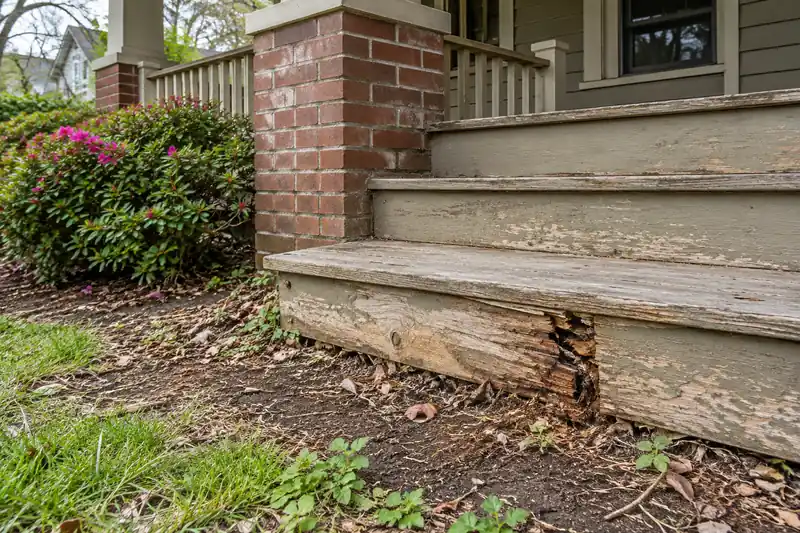
Subterranean termites in new slabs and old crawlspaces alike. A full inspection, then a soil treatment or bait stations, with the terms explained before you agree.
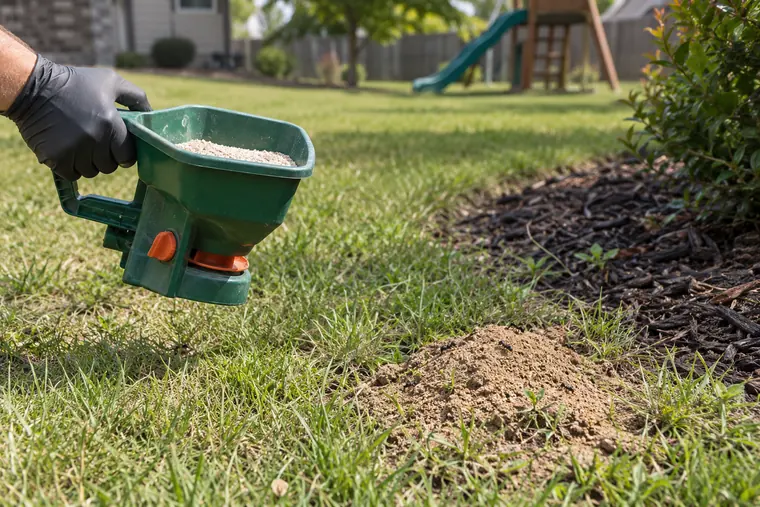
Fire ant mounds in new sod and bare lots, and sugar ants in the kitchen after a rain. Yard baits for mounds, targeted baits indoors.
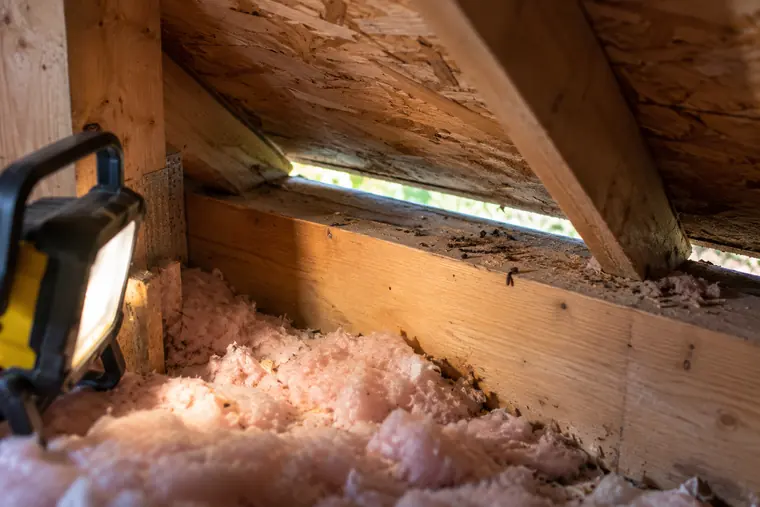
Mice in the walls and rats in the attic. Gaps sealed with metal, traps set where the activity is and a return visit to check them.
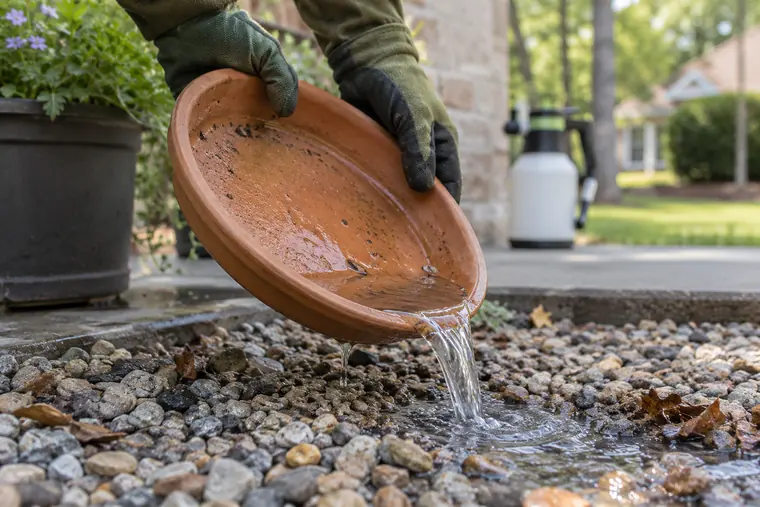
Treatment of the shrubs and shade where mosquitoes rest, and a look at the gutters, buckets and low spots where they breed.
Pest control in Conway, AR has to keep up with a city that keeps spreading out. Call now and tell us what you are seeing.
A technician inspects the house and yard, names the pest, shows you where it is getting in and quotes the work before any treatment starts.
Conway has grown from a college town into one of the biggest cities in central Arkansas, and a lot of the pest calls follow that growth.
New subdivisions along Dave Ward Drive, Salem Road and out toward Lake Conway are carved out of fields and woods, and the termites, fire ants and mice that lived there do not leave when the houses go up.
Meanwhile the older streets downtown and around Hendrix College and the University of Central Arkansas are full of crawlspace homes and rentals where roaches and rodents have had decades to settle in.
Lake Conway, Cadron Creek and the Arkansas River bottoms south of town add a mosquito season that runs from late spring well into fall.
Put it together and most of the work in Conway comes down to four jobs: termites, ants, rodents and mosquitoes, with cockroaches, spiders and wasps close behind.
Why Conway homeowners call us
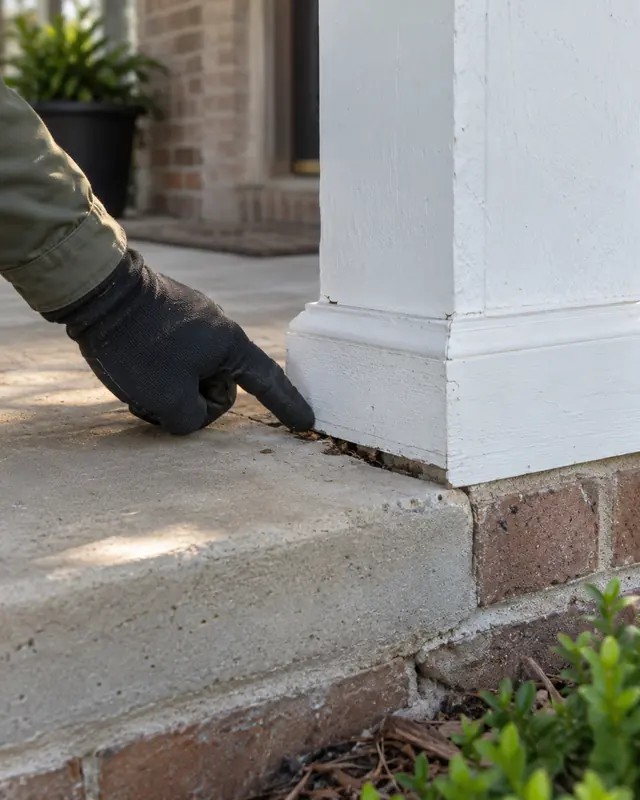
We know the difference between a new build and an old crawlspace. A 2020 slab house off Salem Road and a 1940s bungalow near Hendrix have very different weak spots.
The technician checks the ones that matter for your house: slab penetrations and expansion joints on a new home, sill plates, piers and vents on an older one.
We look before we spray. Treating without an inspection means guessing, and guessing costs money.
The technician confirms the pest, finds where it lives and how it is getting in, and tells you plainly what they found.
You get a price first. The cost depends on the pest, how far it has spread and the size of the home.
You hear it before the work starts, and nothing happens until you agree.
Rentals and student housing are part of the job. Conway has a lot of rental housing around UCA, Hendrix and Central Baptist College.
Roaches and bed bugs move between units, so landlords and property managers can set up treatment for a whole building, and tenants get told what to do before and after.
No pressure to sign a plan. One-time treatments are available for most pests. We tell you which jobs, like termites and mosquitoes, usually need ongoing service, and why, so you can decide.
Arkansas licensing. Pesticide work for hire in Arkansas requires a license from the Arkansas State Plant Board. You can ask for the license number on the phone.
What these pests look like in Conway, why they show up here and what the technician does about each.
Clearing land for new subdivisions leaves buried roots and scrap wood that feed termite colonies, and those colonies find the new houses.
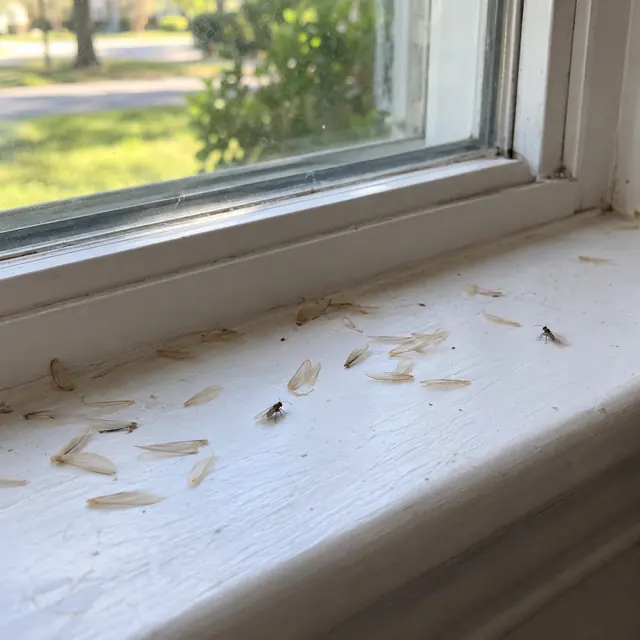
In older neighborhoods the risk is wood close to damp soil in crawlspaces. Spring swarms inside a window, mud tubes on a foundation or pier, and soft trim are the signs. See termite control.
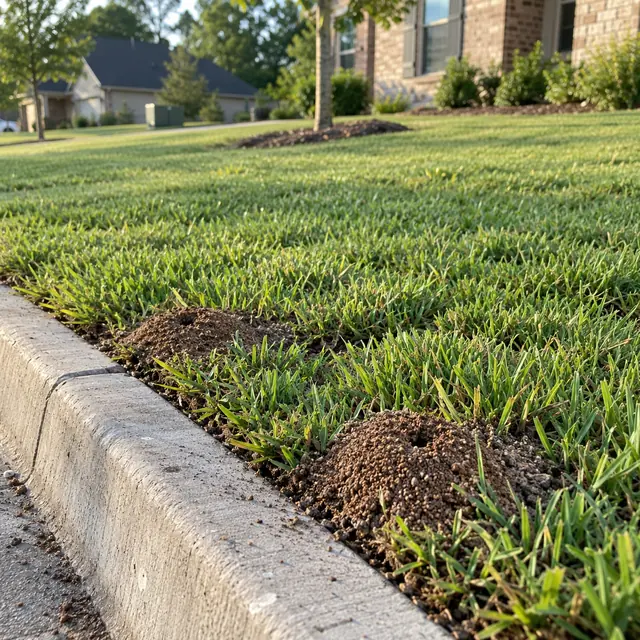
Fire ants love disturbed soil and sunny, open ground, which is exactly what a new subdivision has.
Mounds show up along sidewalks, in fresh sod and around AC pads, and they rebuild fast after a rain. A yard-wide bait treatment works better than chasing mounds one at a time.
Small dark ants trailing to the sink or the pet bowl, often right after a storm. Odorous house ants smell like coconut when crushed and split into new colonies if sprayed.
Pavement ants push sand out of slab cracks. Baits that the workers carry home do the work.
House mice move in from the fields and woods at the edge of town as the weather cools.
Roof rats climb trees and utility lines and get into attics through gaps at the roofline and around vents. Droppings, scratching at night and chewed insulation are the clues.
In apartment buildings and older duplexes near the campuses, German roaches spread along plumbing and shared walls.
They need gel bait, a growth regulator and a return visit, and they need the whole building treated together, not one unit at a time.
Homes near Lake Conway, Cadron Creek, Tucker Creek and the river bottoms get heavy mosquito pressure, and the day-biting Asian tiger mosquito breeds in containers in every yard.
A barrier treatment every few weeks plus dumping standing water is what keeps a yard usable.
Brown recluses are common across central Arkansas.
In Conway homes they hide in closets, garages, attics and stored boxes, and they are most often found when someone reaches into a box or puts on shoes left in the garage.
The treatment focuses on hiding places, sticky monitors and cutting clutter.
Paper wasps build under eaves, porch ceilings and play sets in spring. Yellowjackets nest in the ground or inside walls and get defensive by late summer.
Nests near doors, decks and children's play areas are treated directly, wall nests through the entry hole.
With thousands of students moving in and out of Conway every August and May, used furniture, shared laundry and suitcases carry bed bugs from one place to the next.
Small rust-colored spots on mattress seams, bites in a line on arms or legs, and live bugs in the headboard are the signs.
Bed bugs need a careful inspection and a treatment plan for the whole room, not a can of spray, and connected units should be checked too.
Where we work in and around Conway, Arkansas
We cover Conway from downtown and the college neighborhoods out to the newer subdivisions on the west and north sides, plus these Faulkner County towns and nearby communities.
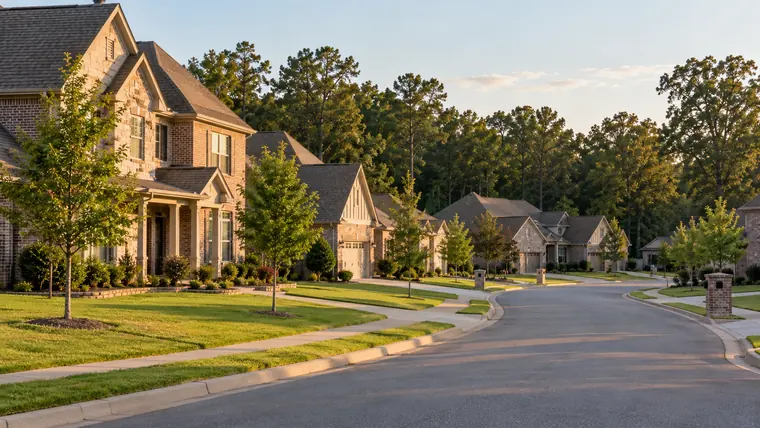
The newer neighborhoods north and west of town see the most fire ant and termite calls. Homes near Lake Conway and Mayflower get the heaviest mosquito season.
The older blocks downtown and around the two campuses lead for roaches, mice and rentals that need building-wide treatment.
Commercial spaces along Oak Street and Dave Ward Drive, from restaurants to offices, have their own needs, usually roaches and rodents near kitchens and loading doors.
If you are outside these places, call and ask; we will tell you straight whether a truck can reach you.
Central Arkansas has hot, humid summers, mild winters and a lot of rain in spring, so pests stay busy most of the year.
Do not close up the expansion joint before the inspection for local pest problems in Conway, or the useful evidence is gone.
Eastern subterranean termites (*Reticulitermes flavipes*) swarm on warm days after rain, often from a slab crack, a porch or a crawlspace.
Red imported fire ants (*Solenopsis invicta*) rebuild mounds after storms, and lone star ticks (*Amblyomma americanum*) become active in tall grass near Cadron Creek, Lake Conway and wooded lots.
Local pest problems around Centennial Valley follow the way the house is built, and the door threshold is one of the first places checked.
Mosquitoes breed in gutters, ditches and low spots after storms, and the Asian tiger mosquito (*Aedes albopictus*) bites in shady yards in the daytime.
Odorous house ants and Argentine ants trail into kitchens, and paper wasps build under eaves and decks.
For local pest problems in Conway, the visit starts at the pet door and then follows whatever that shows.
House mice (*Mus musculus*) and roof rats (*Rattus rattus*) move into attics and garages as nights cool.
Brown recluse spiders (*Loxosceles reclusa*) are found more often in closets, garages and storage boxes, and yellowjackets peak in early fall.
What decides the local pest problems plan in Conway is the building near Lake Conway area, and the meter box is on that list.
German cockroaches (*Blattella germanica*) keep breeding in apartment kitchens near UCA, Hendrix College and Central Baptist College, and rodents nest in attics.
Winter is a good time for attic exclusion, crawlspace checks and termite inspections before swarm season.
A Conway home with local pest problems at the utility chase needs that spot named when you call, so the visit starts in the right place.
No. You can book a one-time treatment for most pests. Ongoing plans are offered for jobs that need them, like termites and mosquitoes, and you choose.
Land cleared for new subdivisions often leaves buried roots and wood debris that support termite colonies. The colony then forages into the new house through slab joints and plumbing gaps.
A new home is not automatically protected; ask what pre-construction treatment was done and whether it is still in force.
Treating single mounds kills those colonies, but others in the yard and the neighbors' yards move in.
A broadcast bait across the whole lawn reaches colonies you cannot see, which is what slows the return.
Do you treat apartments and student rentals?
In Conway, local pest problems near Prince Street corridor are traced from the ridge vent, not from a product chosen before anyone looks.
Can someone come the same day?
Sometimes. Call now early in the day and ask about the first open slot; you get a straight answer rather than a promise.
For local pest problems in Conway, the visit starts at the weep holes and then follows whatever that shows.
Roughly May through October, with the worst weeks in mid to late summer and after heavy rain. Starting treatments in spring keeps numbers down before they peak.
The technician will give you a short prep list.
For roaches it usually means clearing the cabinets under the sink and moving small appliances; for bed bugs it means bagging and drying bedding and clothes and clearing the floor around the bed.
Pest control for hire in Arkansas is licensed by the Arkansas State Plant Board. You can ask for the license number on the phone.
Yes. Brown recluse spiders are native to Arkansas and hide in garages, closets, boxes and wall voids. Sticky traps show where they are, and cutting clutter helps more than spraying alone.
Yes. Lone star ticks and American dog ticks live in tall grass and brushy edges. Keeping grass short, clearing brush along the fence and treating the yard edge lower the risk.
Bed bugs spread through used furniture, travel and shared housing, so student rentals see them every year. Inspect used couches and mattresses before bringing them in.
In Conway: 72032, 72034. Nearby: Greenbrier 72058; Vilonia 72173; Mayflower 72106; Wooster 72181; Maumelle 72113. Not sure about your ZIP code? Call now and give us your street.
Call now, tell us what you are seeing and where, and a technician inspects and quotes before anything is treated.
Local pest problems around Prince Street corridor follow the way the house is built, and the door threshold is one of the first places checked.